Creating a successful strategy for B2B marketing webinars is essential for businesses as it can help to maximize their visibility and increase their reach.
A strong webinar strategy can help to ensure that businesses are gaining the most out of their online presence. The strategy involves a combination of SEO, content marketing, and social media tactics. Having a clear plan of action and understanding how to strategize your B2B marketing to maximize your webinar’s visibility can help to ensure that businesses are able to reach their target audience and increase their overall reach.
By leveraging keywords, optimizing content, and creating a comprehensive webinar strategy, you can increase visibility and improve your overall reach.
According to 73% of B2B marketing and sales professionals, webinars are the greatest approach to creating quality leads. On a weekly basis, 54% of B2B professionals attend a webinar. A webinar landing page conversion rate of up to 51% is possible. On the day of the webinar, 17% of attendees sign up.
B2B marketing is tough. Buyers are skeptical. Sales cycles are long. And traditional advertising is often ignored. That’s why smart B2B companies are turning to webinars to boost their marketing outreach. In fact, the global virtual events industry market is expected to reach $1 trillion in 2032.
Webinars build authority and deliver some of the highest conversion rates across all marketing content formats. On average, webinars convert 57% of registrants into attendees. This rate outperforms content hubs (30%) and landing pages (25%).
B2B Webinar Strategy
A successful webinar strategy goes beyond hosting one-off events. It involves identifying high-impact topics that directly address buyer pain points, target the right audience segments, and align to different stages of the buying funnel, from awareness to conversion to retention.
It’s important for B2B companies to recognize webinars as strategic assets. This involves planning a content calendar, promoting events across various channels, repurposing recordings into lead magnets, leveraging registration data to inform sales outreach, and following up based on engagement level.
Done right, a webinar strategy becomes a scalable engine for thought leadership, lead qualification, and revenue growth.
Seven B2B Challenges a Webinar Strategy Can Solve
It’s no surprise that 91% of B2B professionals prefer webinars over other types of content. Webinars don’t just educate. They engage, qualify, and convert. When executed strategically, they become a powerful tool for solving the most common roadblocks B2B companies face in marketing, sales, and customer success.
Challenge 1: Struggling to Generate Qualified Leads
Many B2B companies rely on passive lead generation tactics like SEO, white papers, or static landing pages. While still vital to a comprehensive marketing strategy, these methods can attract low-intent or misaligned leads. Without intentional targeting, results suffer.
Webinar solution:Hosting topic-specific webinars naturally attracts only the people who are genuinely interested in a solution to a particular problem. When the subject matter speaks directly to a niche pain point, those who register are more likely to be decision-makers or serious buyers actively researching solutions. This eliminates tire-kickers and casual browsers.
Example:A cybersecurity SaaS company hosts a webinar on “How CFOs Can Reduce Financial Risk from Ransomware Attacks.” The session attracts finance leaders, not just IT, resulting in a stronger fit of leads who hold buying power.
Challenge 2: Difficulty Building Trust and Authority
In crowded marketplaces, cold audiences are skeptical. Buyers need more than polished messaging. They want proof, insights, and authenticity before they trust a vendor.
Webinar solution:Live webinars offer a direct way to showcase expertise and build human connections. When companies host or participate in panels, case study discussions, or live Q&As, they position themselves as credible experts, not just marketers with a sales pitch.
Example: An HR tech startup co-hosts a webinar with one of its enterprise clients, walking through a real-world application of the service. The value-packed discussion and client success story boost credibility and build trust with target audiences.
Challenge 3: Long and Complex Sales Cycles
Enterprise sales involve multiple stakeholders with their own priorities. Misalignment and lack of information slow decision-making, causing sales momentum to stall.
Webinar solution:Webinars help companies simultaneously educate diverse audiences, including the C-suite, technical evaluators, and end-users. With tailored content that appeals to multiple roles in a single session, webinars accelerate understanding and buy-in.
Example:A B2B software provider runs a webinar series tailored to each persona: one for CIOs on compliance, one for end-users on ease of use, and one for procurement on cost-efficiency. This approach streamlines internal discussions and accelerates deal velocity.
Challenge 4: Poor Product Adoption
B2B tools can be complex. Without strong onboarding or ongoing support, customers often fail to use key features or fully realize their value. This oversight can lead to customer churn or underutilization.
Webinar solution:Live webinars provide dynamic walkthroughs, demos, and real-world use cases that help new and existing customers understand how to succeed with the product. Customer success webinars also offer ongoing training and support, turning users into brand advocates.
Example:A project management platform hosts monthly “Ask the Expert” webinars to teach advanced workflows to customers. These events will improve feature adoption and cut churn rates among new users.
Challenge 5: Sales Teams Repeating the Same Conversations
Sales teams often repeat product overviews, pricing, and use cases on every discovery call. This drains time and slows conversion.
Webinar solution:Sales enablement webinars can serve as repeatable assets to pre-qualify and educate leads before a sales agent even joins the conversation. These sessions can be recorded and embedded into outbound or post-demo marketing sequences.
Example:A martech company creates a 30-minute “What to Expect When Switching Platforms” webinar that sales reps use ahead of demos. Prospects come into calls more informed and ready to talk specifics, shortening the sales cycle.
Challenge 6: Leads Going Cold During Nurture Campaigns
After initial engagement (like a lead magnet download), many leads disengage due to a lack of timely, relevant content that builds momentum.
Webinar solution:Mid-funnel webinars like expert panels, client Q&As, or use-case roundtables can reignite interest by delivering value in a more interactive format. Personalized invites and behavioral follow-ups improve reactivation.
Example:A fintech company invites dormant leads to a webinar titled “How Our Clients Are Cutting Risk in 2025.” The event attracts sign-ups and requalifies leads for the sales team.
Challenge 7: Difficulty Standing Out in a Crowded Market
With everyone pushing blogs, sponsored content, and social posts, B2B buyers are overwhelmed with noise. Generic content rarely sparks engagement or memory.
Webinar solution:Live, timely, and high-value webinars offer a break from the usual static content. They position the brand as a thought leader and offer real-time connections.
Example:A cloud infrastructure firm launches a provocative webinar titled “The Hidden Cloud Costs Nobody Talks About.” The session stands out in crowded fields, generates organic shares, and positions the company as refreshingly transparent.
***
Stand Out in a Sea of Static Content
When done right, webinars do more than educate. They attract qualified leads, clarify complex solutions, accelerate sales cycles, and strengthen customer relationships. Whether used for demand generation, thought leadership, or customer success, webinars provide a scalable way to meet prospects and clients where they are.
Video marketing is one of the most powerful mediums that let online marketing campaigns go viral.
For companies seeking to stand out and convert more effectively, adopting a thoughtful webinar strategy is no longer optional. It’s essential!

 By
By 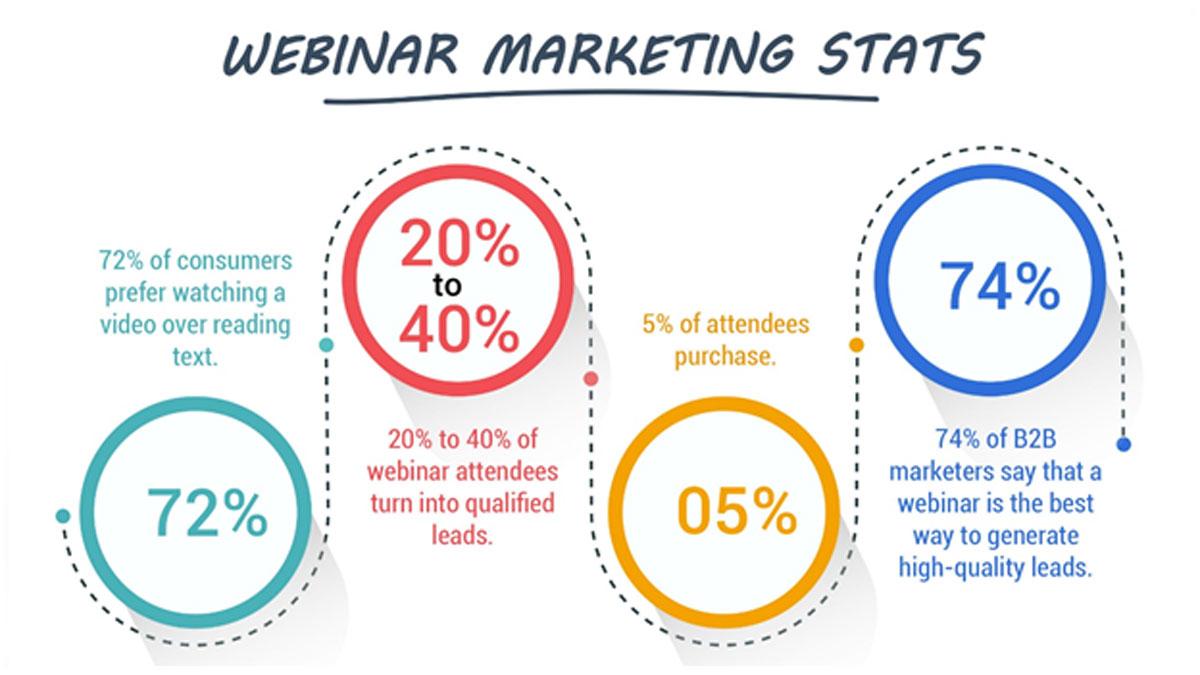



















Comments