As usual, most B2B companies will carry their old strategy for years… and eventually complain because it doesn’t work as well as it used to.
But YOU can choose to do things differently, getting ahead of your competitors and setting yourself up for success in 2025 sqq. So, let’s look at what elements of the B2B sales process are bound to stay the same, what will change, and how you can adapt.
It’s a familiar story in B2B: a well-qualified lead comes in, conversations start strong, and then the process drags. More meetings. New decision-makers join the mix. Another follow-up. A revised proposal. All separated by stretches of silence. Eventually, the deal closes later than anticipated, turns into a disappointing “no,” or fizzles into oblivion.
In B2B, long sales cycles are often considered an unavoidable cost of doing business. They may stem from buyer indecision, large buyer committees, organizational red tape, or budget constraints. The potential client, however, is not always to blame. Sometimes the friction comes from the seller, resulting from misalignment, missing information, or a buying experience that creates more questions than answers.
Pressuring the buyer rarely accelerates the process. Instead, the most effective strategy is to make the journey smoother, clearer, and easier to navigate.
What’s Really Slowing Deals Down?
There’s no single cause for a slow sales cycle, but common patterns tend to emerge:
The timing isn’t right.
The prospect doesn’t have a sense of urgency and isn’t ready to buy. In many cases, they’re still defining the problem they need to solve.
Marketing is generating the wrong kind of leads.
Leads are coming in, but few prospects are a true fit for the company’s offerings.
Buyers can’t easily find the information they need.
Without clear resources, they stall in the sales funnel.
Internal handoffs between marketing and sales aren’t smooth.
In some cases, teams operate on different timelines or expectations.
The buyer’s team struggles to earn buy-in.
Without the right information, they cannot make a strong internal case for the purchase.
None of these issues is insurmountable. Most point to a lack of clarity somewhere along the journey. And in B2B, clarity is currency.
Understanding the Buyer’s Five Decisions
Even when buyers are not consciously aware of it, every B2B purchase is shaped by five psychological decisions, according to sales expert Roy Chitwood. These occur in a specific sequence and influence how quickly and confidently a deal progresses. When sales and marketing teams understand and address these decisions, they can reduce friction and accelerate the sales process.
About the salesperson.
Buyers evaluate credibility and authenticity before they consider products or pricing. This means that every touchpoint, whether human or automated, must demonstrate empathy and a customer-focused approach.
About the company.
The organization’s reputation, values, and demonstrated expertise all contribute to buyer confidence. Sharing case studies, awards, and thought leadership content reinforces that the company will deliver on promises.
About the product or service.
Prospects want to see clear benefits, not just features. Tailor resources to specific pain points and provide proof of value from customer stories and data to make it easier for buyers to move forward.
About the price and value.
Buyers compare perceived value against cost. By establishing trust and benefits first, teams can focus on investment and ROI rather than cost objections.
About the time to buy.
Timing considerations, such as market conditions or internal cycles, often stall deals. Marketers and salespeople can support prospects with timely insights, urgency drivers, and ongoing communication that respects the buyer’s pace.
By proactively addressing each of these five decisions, businesses remove obstacles before they become roadblocks. This reduces hesitation and builds the trust needed to advance deals more quickly.
How Can Marketing Speed Up Sales?
Sales teams drive the deal, but marketing often sets the pace. When marketing teams eliminate confusion and reinforce confidence, the sales cycle naturally contracts. To support sales efforts, marketing teams can:
Generate customer-centric content.
Create resources that answer tough questions upfront, such as pricing guidance, competitor comparisons, explainer videos, and FAQs. Buyers actively search for these materials, often before speaking with a sales representative.
Personalize messaging.
If every prospect receives the same content regardless of their industry or stage in the funnel, early leads may be overwhelmed, and late-stage leads may be under-informed. It’s important to remember that timing matters as much as the message itself.
Apply buyer psychology.
Use Chitwood’s five-decision framework to guide buyers through the journey more effectively. Create marketing messaging that address considerations of the salesperson, company, product, price, and timing. When buyers feel understood and confident in these areas, sales cycles shorten and relationships grow.
Support sales in real time.
Instead of forcing sales reps to create content on the fly or search for collateral, provide easy access to the right tools and resources.
Aligning Sales and Marketing
Sales and marketing alignment is an ongoing challenge in B2B, but a strong collaboration is essential to shortening the sales cycle. The more visibility each side has into the process, the easier it is to course-correct early. Alignment starts with a shared definition of “qualified lead” and continues through nurturing strategies and follow-up timing. Most importantly, create shared accountability for the entire journey.
A solid step in the right direction is to hold a monthly meeting where sales shares friction points and marketing highlights engagement trends. Over time, these conversations lead to smarter campaigns and smoother conversions.
Use Tools with Intention
Technology won’t fix a broken process, but when used intentionally, it can accelerate sales. Leverage automation tools to ensure timely follow-up email sequences without sounding robotic. Dynamic content platforms can tailor website experiences based on user behavior, delivering relevant information without extra searching.
For example, a website could highlight industry-specific case studies, display product recommendations, or modify calls to action depending on whether someone is a first-time visitor or returning user.
Virtual sales rooms are also gaining traction. These centralized hubs consolidate content, conversations, and collaboration in one place, cutting down on the back-and-forth that often prolongs deal cycles. The customer-centric microsites are especially valuable for remote or geographically diverse teams. Global software company, Oracle, leveraged digital sales rooms to simplify sales operations and create a seamless customer experience. The tailored digital environments allowed teams to engage… customers more thoughtfully and deliver content that directly speaks to their unique needs,” says Kari Gallagher, senior vice president of revenue enablement services. “We’ve seen a real shift in how our teams engage with customers,” Gallagher says. The technology “is making our sales process more efficient, and our teams are thrilled with how quickly they can access the resources they need.”
Focus on What Matters
While creating content has primarily focussed on value, we know from experience that the right content can convert and sell to customers quickly – shortening the sales cycle and helping you focus on actually working with customers.
To shorten the sales cycle, look beyond surface metrics like lead volume or conversion rate. The most valuable insights often come from spotting small, repeated delays. Pay attention to where deals consistently stall. How long do prospects sit in each stage of the pipeline? Which content is used most, and which is ignored? How quickly does sales follow up after marketing engagement?
There’s no magic switch to shorten a B2B sales cycle. But small, strategic actions can reduce friction, eliminate confusion, and help buyers move forward with confidence. Rethink how the company supports the journey at every stage, not just how it is managed. When sales and marketing prioritize clarity over pressure, trust develops more quickly, remaining one of the most powerful drivers of shorter, more successful sales cycles.
We’ve covered how to tighten each stage of the cycle, from prospecting to closing, using a mix of modern techniques and timeless best practices. The common thread is a focus on efficiency and intentionality – every step should have a purpose and propel the deal forward. When you implement these strategies, you’ll not only close deals faster, but you’ll also create a smoother buying experience that prospects appreciate (and that your competitors will envy). Remember, a faster sales cycle means more revenue in your pocket sooner and less chance for deals to stall out. It’s a win-win for you and your customers.

 By
By 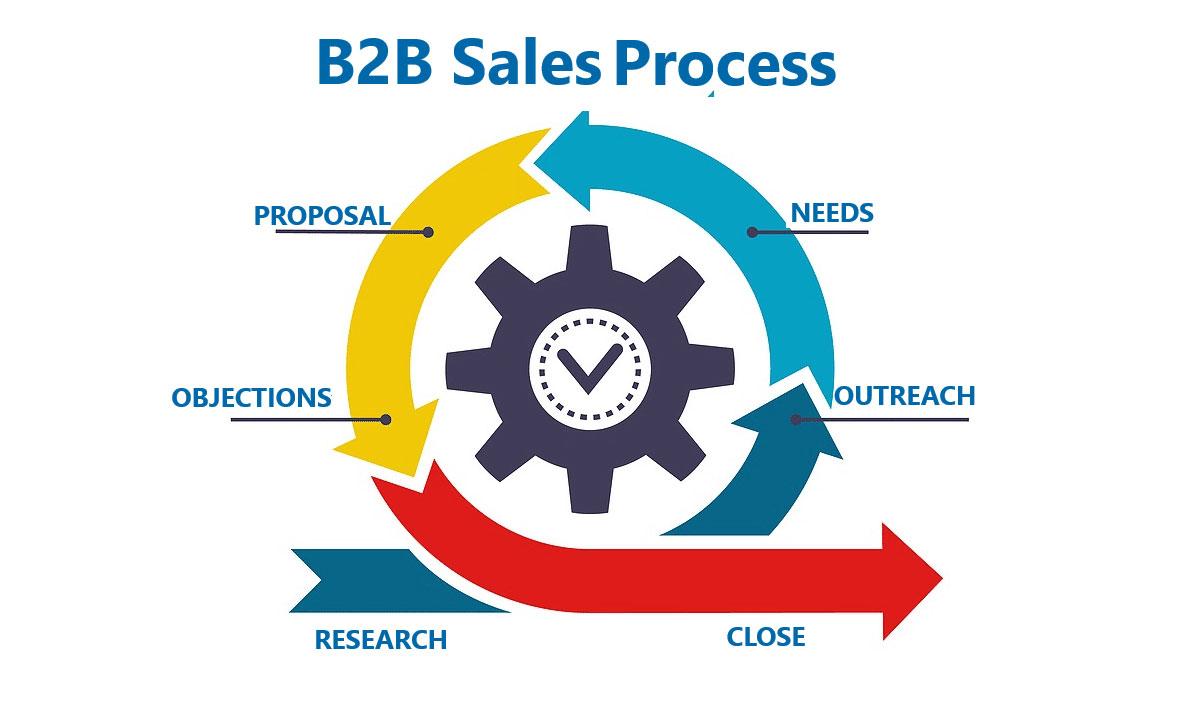















Comments