
 By
By Lifecycle marketing is not magic. It’s not a hack or a tactic
It’s a B2B SaaS marketing strategy that builds and maintains long-term customer relationships. B2B buyers are often responsible for making purchase decisions on their companies’ behalf, so multiple stakeholders and departments are often involved.
There’s also a higher risk level with B2B purchases, both financially and operationally. A company may spend thousands of dollars acquiring new customers, only to lose the accounts months later because its marketing stops after the sale. Meanwhile, existing customers who may be ready to expand the relationship receive the same messages as prospects who have never done business with the company.
That approach can be costly. A 2025 McKinsey report found that retaining a current customer costs less than one-third of acquiring a new one. Existing customers also generate, on average, 10% more revenue than new customers. The takeaway is clear: Companies that concentrate their marketing resources primarily on acquisition may overlook important opportunities in relationships they have already built.
Lifecycle marketing addresses that problem by treating the customer journey as an ongoing relationship rather than a funnel that ends with a signed contract. Marketing changes as the customer’s needs evolve, from initial awareness and evaluation through onboarding, retention, expansion, and advocacy.
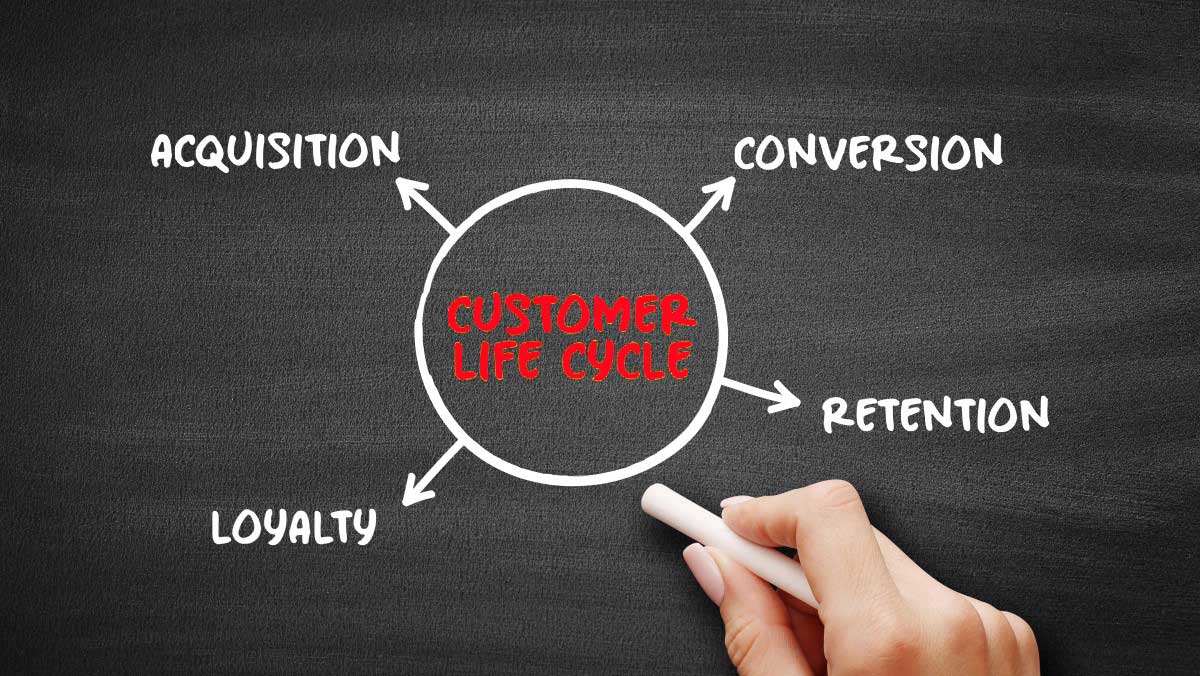
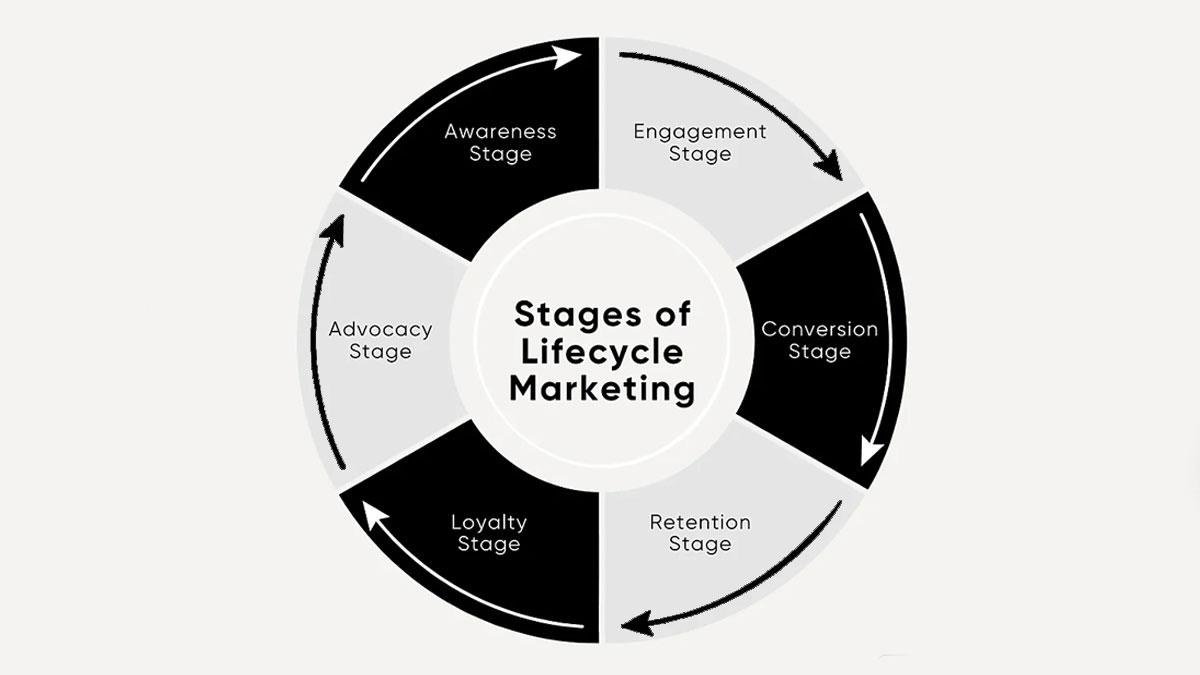
The Customer Lifecycle using CRM
Five steps to understand the customer lifecycle while using CLM CRM software. Understanding the ‘customer lifecycle’ for users of CLM CRM platforms may sound like an esoteric theory better suited for the MBA students than for small business owners. Nevertheless, CLM (customer lifecycle management) is a concept and a strategy that brings more revenue and lower costs.
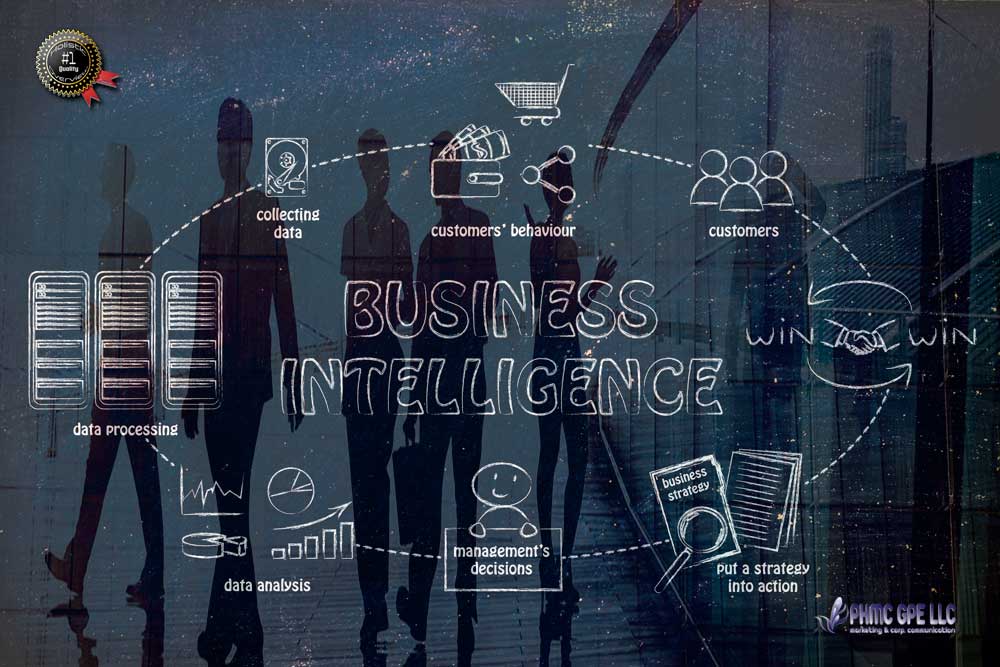
Many authors have already written tons of pages and hundreds of books about the details of each step in CLM. However, to understand how all these steps add up to complete the full cycle of a given customer helps to put the entire CLM process in perspective. Here are five steps to understanding the customer lifecycle by using a small business CLM CRM software.
Step #1 – Reach
This is the phase in Customer Lifecycle Management when you make the initial contact with the customer. It is like putting a roadside ad, or delivering a social coupon through the mail or meeting a customer because of some good words someone heard from his or her friend. CLM CRM metrics are the key at this stage, which easily lets you perceive which marketing efforts provided you the best reach for your dollars.
Step #2- Acquisitions
The acquisition is a phase, which comes after you have found your potential customer’s attention. In fact, it is the primary contact with your new customer. This is where your frontline tele-calling executives, service employees, and salespeople earn their wages. Depending on the type of your business enterprise, this acquisition might happen in person, on the phone, via email or solely through a Website’s landing page.
Caution: Abandonment can happen at this phase of the Customer Lifecycle Management process when you are not enough interesting or useful to hold a potential customer’s attention. Therefore, it is most important that the primary contact with the probable customer should generate enough value for that person which will make the potential customer want to continue the conversation.
Step #3 – Conversion
In CLM conversion is synonymous with the word ‘Sales’. It is the stage in the CLM process where you turn an interested fence-sitting prospect into an actual customer. The best advice for this step in the CLM process is to sell your relationship and not your product or services. It is your duty as a sales representative for your organization to make the customer feel welcomed. Because, if and only if the customer feels comfortable and happy the purchase will naturally take care of itself.
Caution: Attrition in the steps happens when a ‘sale’ vanishes. Sometimes it can be because of your team’s fault that can alienate the purchaser, even though at times this can also happen for reasons out of your control. In either situation, endure each lost sale as a learning experience that can reduce your customer attrition ratio next time.
Step #4 – Retention
Now once you have made the sale (which is great), but to sell more to a customer at this stage is 1/6th less expensive as starting over at the ‘Reach’ stage in the CLM process. This implies up-selling and cross-selling or doing everything that you can to uphold and preserve a relationship with the customer. You can nurture the relationship with your customer by making contact from time to time, in value-rich ways through a CLM CRM that makes sure that the customer will remember about you every time the person needs your products or services.
Caution: Churn is a loss of an on-hand customer. Remember never to follow in the footsteps of a “churn-and-burn” organization that solely believes in making the first sale, and then subsequently move off to the next prospect like a corporate pick-up artist.
Step #5 – Loyalty
This is the desired end of any Customer Lifecycle, akin to the enjoyment of an early retirement after a flourishing career. At this stage in the CLM process, the customer becomes a friend and most often a brand advocate who calls you by your first name and recommends your offerings to everyone around. You cannot expect every customer nurtured through the CLM CRM platform to reach this stage, but to evaluate where you failed with other customers you need to look back through the early steps to detect your lacunae.
Lifestyle Segmentation
Segmentation is an integral part of marketing strategy of any organization for any product. It is important to know the different segments that exist in the possible target customers to ensure that a product is positioned to the right segment of people. It actually means dividing a market into sub-segments and each segment have something in common.
It helps in identifying a different set of people who are interested in different products and look for specific featured or prices in a product. This segmentation can further be understood and segregated on the basis of various dividing identifiers like geographic, demographics, and many more. Among the various types of segmentation, lifestyle segmentation holds its value in a unique way. As the word suggests, lifestyle means the way of living a consumer is pursuing and then based on these ways of living they are grouped to form the lifestyle segment.
The importance of lifestyle segmentation comes at two very important phases of the lifecycle of a product. The study of the lifestyle of consumers helps the marketers understand the right need of customers so making a decision about what product should be targeted to which customer set becomes easy. And another significant phase is the product communication as it tells what communication message needs to be portrayed in front of the target audience to ensure they can relate to it.
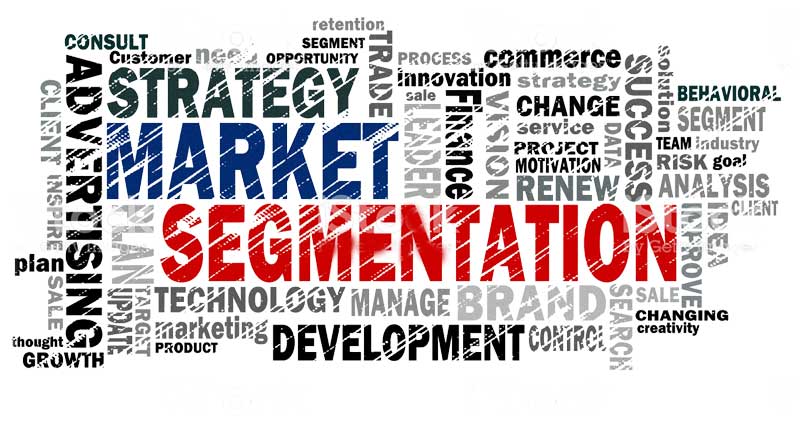
Lifestyle segmentation helps in understanding the customer requirements better and based on which marketers can take appropriate decisions of rightly placing the products in the right market segments. The lifestyle of consumers consists of many aspects and to do the segmentation on this basis, it is important to understand these different aspects. These aspects help in delivering the customized services and good quality products. These lifestyle aspects are majorly divided into below as per the commonly used tool called AIO (Activities, Interests, and Opinions):
- Activities – What are the daily activities of the consumers in which they are spending their time and money?
- Interests – What are the interest of consumers?
- Opinions – What do they think about various issues, people, and surroundings?
- Demographics – What category in terms of age groups, gender, income, and occupation they belong to?
All the above aspects are important to define the lifestyle of consumers and finally to come up with the lifestyle segmentation. Let us now understand the AIO with examples. Activities of consumers help a marketer in understanding the kind of work a consumer does or the ways he/she keeps him/her indulged on a daily basis like work, hobbies, social events, vacations, entertainment, club membership, community, and many more.
Lastly, demographics are an important part of any kind of segmentation and for lifestyle segmentation as well these play theirs as a usual vital role. What age-group a marketer is talking about, what are the gender of the prospective consumers, which geography they belong to, their occupation, and income levels always help in deciding up a direct customer-oriented strategy for marketers?
Therefore, as marketers, the most important thing to remember is that lifestyle analysis is an ongoing process. The interests, activities, opinions, and demographic changes with time and situation. Everything in this dynamic world takes a shift, groups with something else, changes due to various factors, and tastes are continuously changing. New trends and social changes determine what the consumers will pick to do next. Hence, it becomes utmost important to keep an ardent eye on all dynamics and continuously change strategies according to these changing factors. Lifestyle segmentation is periodic, consistent, and never-ending.
The Customer Journey Does Not End at Purchase…
Understanding the Customer Lifecycle Management is indeed a complicated task and sometimes it needs to be explained to the users of CLM CRM platforms. Ashley Faus, head of lifecycle marketing at Atlassian, emphasizes that marketers need to move beyond acquiring customers and help them realize enough value from a product or service to stay.
That distinction changes the role of marketing. The question is no longer simply how to attract more prospects or generate the next sale. Rather, it’s how marketing can contribute to the value of a customer relationship from the first interaction through renewal, expansion, and advocacy.
Companies invest significant resources to win customers. Lifecycle marketing helps ensure that investment continues to produce value long after the contract is signed.
For More and Moving Ahead…
Talk to PHMC GPE Team !
Discover More:
At a Glance… The Soul of PHMC GPE LLC
Positioned to Influence… Appointed to Succeed !
***
Marketing & Technology
Bound and Secured

“The Right Message to the Right Customer at the Right Time through the Right Channel”
The XXIst Century Technologies offer a vast and huge panel of useful tools that can ease a Marketing process if correctly and securely used.
- Define your Marketing Strategy and Plan
- Select and Use the right Technology tools
- Refine your Tactics to Reach your Goal
***





Comments