Mistake #1: Automating Without a Clear inbound Strategy
Sun Tzu, the renowned Chinese war strategist once wrote: “Tactics without strategy are the sound of defeat.” Naturally, that ancient wisdom also applies to marketing automation. Without a clearly defined inbound strategy that closely aligns with your content marketing and social media plan, marketing automation is just another gadget with no added value.
Automation frequently starts with the tool instead of the goal. For example, a marketing team might build a series of email workflows simply because the platform offers a template. Without a strategic objective, automation becomes a collection of disconnected tasks instead of a coordinated, scalable system.
How to fix it: Develop a clear plan before introducing the technology. Start with a specific, measurable objective that aligns with company goals, such as re-engaging dormant leads or shortening the sales cycle. Once the goal is defined, identify where automation can reduce friction or add value. Only then should the workflows be built.
Mistake #2: Over-Automating the Buyer Experience
There’s a fine line between helpful and robotic, and B2B buyers are quick to notice the difference. If every touchpoint is automated, templated, and timing-triggered, prospects start to feel like numbers in a sequence rather than valued partners. The result is lower engagement and a forgettable brand experience. Personalization is key.
How to fix it: Use automation to support, not replace, authentic connection. Build in time for sequential human touchpoints, especially when a lead shows buying intent. Pause automation when a buyer engages with a salesperson or enters a live conversation. This approach ensures consistency without redundancy and reinforces the human element behind your brand.
Mistake #3: Neglecting Segmentation
Every prospect has unique personalities, needs, roles, and priorities. Treating everyone the same way is inefficient and counterproductive. Too many B2B marketing teams still rely on one-size-fits-all automations that consider a startup CFO and an enterprise IT director the same.
How to fix it: Segment your business database by role, company size, industry, buying stage, or behavioral signals. Tailor content, timing, and calls to action (CTAs) based on what each segment needs to know next, not necessarily what the company wants to promote at the time.
Mistake #4: Letting Workflows Run on Autopilot
One of automation’s biggest advantages (and dangers) is its ability to work quietly in the background. Once a workflow is live, it’s easy to forget it unless or until someone notices an outdated offer or broken link.
How to fix it: Establish a regular audit schedule to ensure accuracy and performance. Depending on campaign volume, audits can be performed weekly, monthly, or quarterly, allowing for a constantly optimized workflow. Involve sales and customer success teams to allows identify messaging issues or missed opportunities.
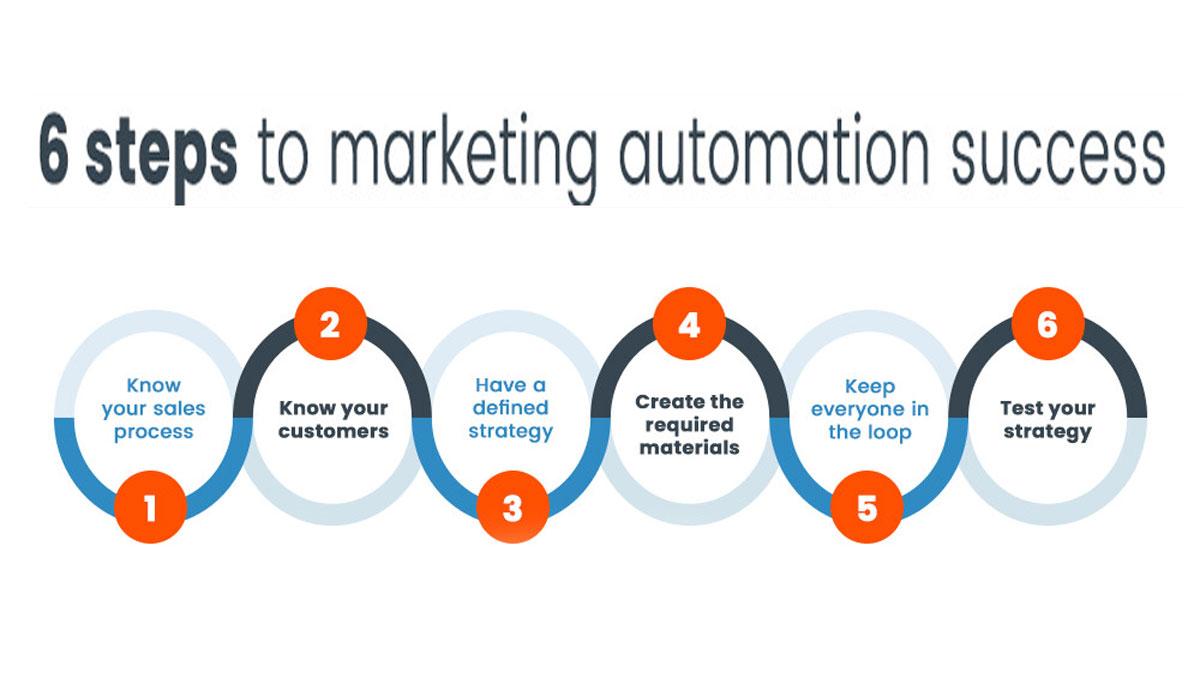
Mistake #5: Using Automation to Mask Deeper Issues
It’s tempting to celebrate high opens and click rates and assume they indicate success. But real value of automation lies in moving buyers through the entire sales funnel, not generating surface-level engagement.
How to fix it: Reevaluate what metrics you’re tracking. Prioritize metrics that align with pipeline health, such as qualified lead volume, conversion rate, and deal velocity, over vanity metrics. No automation platform can compensate for poor content or unclear audience understanding. Instead of using automation as a “quick fix,” invest in audience research and content quality first. One well-designed, intent-driven workflow is more valuable than five generic ones.
Mistake #6: You’re working without clearly defined goals
How can you tell if your marketing automation efforts are paying off? Based on your goals of course. What if you haven’t defined goals yet? Then get to it, and group your KPIs based on the phases that your customers experience: Awareness, Lead Generation, Conversion and Engagement. Linking your goals to clear phases will help your campaign to be more focused and frictionless.
- Here’s how to find answers to some important questions:
- Are you still on schedule to achieve your sales targets?
- Is the growth of new leads lagging behind expectations?
- Should we promote our eBooks more or our webinars?
- Is the percentage of marketing leads that convert to sales leads sufficient?
Mistake #7: Ignoring the Human Side
The best automations eventually lead to human interaction, whether it’s sales, support, or onboarding. But if that transition isn’t smooth, all the goodwill and trust that have been earned are quickly lost. Too often, automation stops short of connecting to the systems or people responsible for the next step.
How to fix it: Integrate automation with CRM and internal notification systems. Build internal alerts or task triggers into workflows so sales reps are notified when leads take meaningful action. Include lead history and context in CRM records so reps understand what content the buyer has already seen to prevent redundant conversations and ensure a seamless experience.
Mistake #8: You’re not experimenting
Today, marketing is both a creative art and an exact science. But often that second part gets much less attention from marketers. A shame because companies miss out on new insights and experiences that can increase conversion rates. Don’t make the same mistake. Automate your inbound marketing strategy, but also actively look for improvements.
How to fix it: Set up experiments, analyse the results and continuously improve your online performance. Both from your mailings, social media ads and landing pages as well as other campaigns.
Mistake #9: Your marketing and sales teams aren’t aligned.
The worst thing you can do with marketing automation is operating in a silo. At the end of the day, marketing is a function designed to support sales, products, and other business sectors. As such, it’s imperative that your marketing team bring in all necessary stakeholders to build workflows that align with teams beyond your own.
This is particularly important with marketing and sales teams who work hand-in-hand to turn leads into marketing-qualified leads (MQLs) then sales-qualified leads (SQLs) and finally customers.
Have you thought about what processes would benefit your sales team? This could look like an automated email from a sales rep once a lead has completed a high-intent behavior. Of course, to define what that behavior is, you have to define that with the sales team.
***

 By
By 
















Comments