Leads don’t magically appear because you asked nicely!
They need a reason to engage – something more than another “exclusive” ebook they’ll never read. Lead generation is about getting the right leads. You don’t need more dead-end form fills or email ghosts who never reply. You need qualified prospects who actually want what you’re offering.
The problem?
People don’t want to be chased. They want to discover, engage, and decide on their terms. The good news? You can make that happen! We list here proven formats to attract high-quality leads, keep them interested, and turn them into paying customers.
Blogs have long been the workhorse of B2B marketing. They build SEO authority and trust, which, in turn, fuels thought leadership and anchors campaigns. But the market has shifted. Audiences are inundated with written content, and their attention is fragmented across channels and formats. That’s why it’s vital for marketers to go beyond the blog and embrace content that actively attracts and converts leads. The most effective formats are already proving their worth across industries.

Six Proven Formats Designed to Attract Leads
Blogs remain an essential component of a comprehensive marketing strategy. But to break through the noise, capture qualified leads, and keep prospects engaged throughout the buyer journey, it’s important for marketers to expand their marketing mix with formats that range from short videos to interactive tools.
According to a 2024 survey by Wyzowl, 88% of respondents stated that video has helped them generate leads. With a shrinking attention span in audiences, videos are effective in breaking through content clutter. Buyers are increasingly overwhelmed with written content. Short videos, product explainers, webinars, and live streams provide digestible ways to capture attention and deliver value quickly. HubSpot and Google use this approach consistently on LinkedIn.
Here are a few ways to get started:
Produce a short-form explainer video on a core customer pain point.
Repurpose two to three short clips from an existing webinar, add captions, and share them on social media.
Use screen recorders like Loom to create introductory or in-depth how-to videos and simplify editing.
Pro tip: Identify your target audiences’ most frequently asked questions and use them as video topics.
2. Interactive Content
Blogs drive traffic, but to convert visitors into qualified leads, content must also spark engagement. Interactive formats like quizzes, assessments, calculators, and polls invite participation and provide immediate value tailored to user needs. Salesforce, for example, uses its Agentforce ROI calculator to show customers how much they can save with its AI agent.
Here are a few ways to get started:
Identify a key customer pain point and design a simple quiz or calculator around it.
Launch quickly using easy-to-use tools such as Typeform or Google Forms.
Gate results with a lead form to capture qualified prospects.
3. Infographics and Visuals
Long-form blogs may overwhelm busy executives, but infographics make data digestible and highly shareable. Visuals such as charts, tables, and storyboards deliver key points quickly. Stephen Frieder, chief revenue officer of Adobe, recently shared a screenshot of Adobe Experience Platform showing conversion rates. The goal was simple: communicate results as fast as possible.
Here are a few ways to get started:
Select a high-performing blog or report with strong data insights.
Extract three to five key findings and turn them into simple visual highlights.
Design with tools like Canva or simply take a clear screenshot.
Pro tip: Repurpose your latest blog into a one-page infographic.
***
***
4. Case Study Videos and Interactive Stories
Decision-makers want proof before committing. In fact, more than 80% of B2B buyers look for success stories before making a purchase. Yet long-form case studies can be time-consuming to read and are often bookmarked and forgotten.
Case study videos solve this problem by presenting customer success in engaging formats. Salesforce, for example, created a playlist of more than 130 customer success story videos on YouTube.
Here are a few ways to get started:
Select an existing case study and highlight measurable results.
Record a short client testimonial or turn the story into a 90-second video.
Add interactive features such as clickable highlights or a timeline.
5. Podcasts
Executives often lack the time to read lengthy articles, but podcasts fit seamlessly into commutes or work breaks. Expert interviews and short-form audio snippets offer flexibility and convenience.
Podcasts not only build trust; they drive sales. “Podcasts position you as an expert and authority in your market, differentiate you from the competition, connect you with high caliber potential clients and referral partners, build long-lasting relationships with your current customers, and establish an evergreen content engine to bring in more traffic and incoming leads on a consistent basis,” says Dr. Jeremy Weisz, co-founder of Rise25, an organization that helps businesses connect to their dream clients through podcasting.
Here are a few ways to get started:
Select a high-demand topic and outline three or four talking points.
Record a 15-minute conversation with a team leader, customer service representative, internal subject matter expert, or strategic partner.
Upload the audio to podcast hosting platforms such as Buzzsprout or Podbean.
6. Carousels and Document-Style Formats
Relying solely on blog traffic means waiting weeks or months for SEO results. LinkedIn carousels and other social-friendly formats deliver faster engagement.
Repurposed into carousels, snackable posts, short clips, and micrographics, content becomes easier to digest and share. Tools such as Taplio and aiCarousels make this process easier.
Here are a few ways to get started:
Select a recent blog post or report with three to five key takeaways.
Design each takeaway as one slide for a LinkedIn carousel.
End with a strong call-to-action to drive clicks or signups.
The Future of B2B Content Is Multi-Format
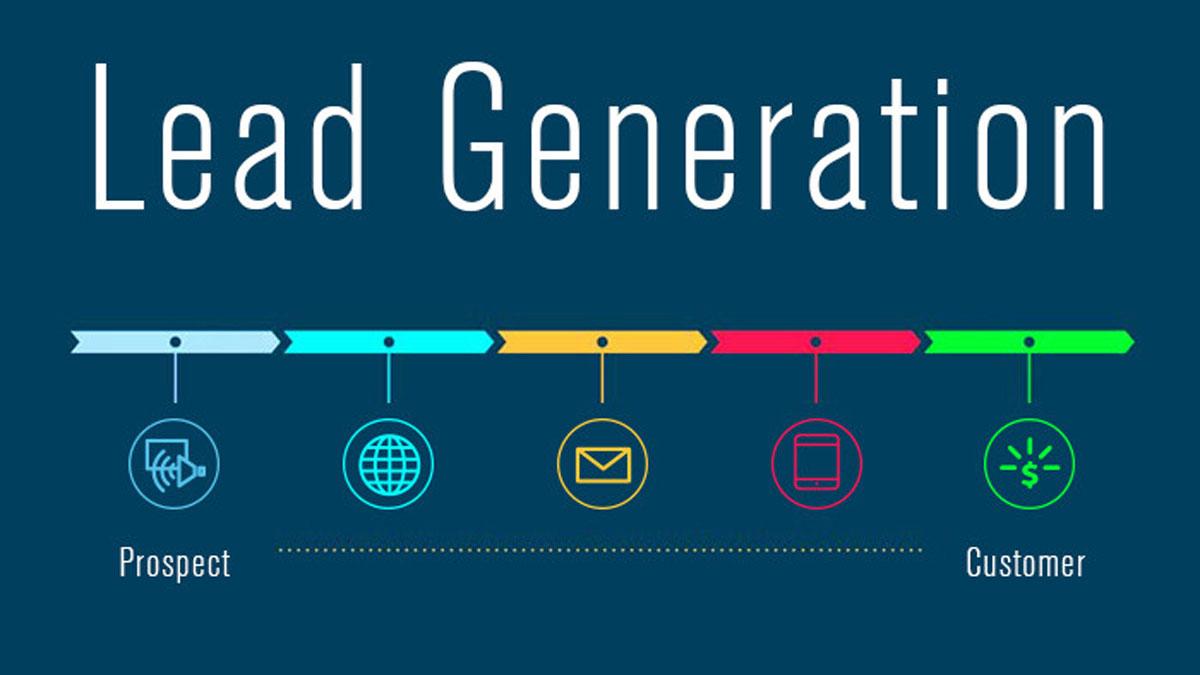
Moving beyond the blog does not mean abandoning it as a marketing medium. It means elevating and capitalizing on it. Blogs will continue to provide depth and authority, but when paired with formats such as videos, podcasts, and carousels, they form a content mix that engages decision-makers at every stage of their journey.
Brands do not need to launch all six formats at once. The most effective approach is to choose one that aligns with their audiences and resources, test it in a campaign, and measure results. This could be as simple as repurposing a blog post into a LinkedIn carousel, recording a 60-second explainer video, or launching a short quiz with Typeform.
Marketers who diversify their formats help their brands stand out and improve conversions. Beyond the blog lies the opportunity to capture more qualified leads, one format at a time.
Comments