Knowing how social media algorithms work will be crucial since social media is changing more quickly than ever.
Staying visible on social media requires a deep understanding of ever-changing algorithms. Let’s review how these algorithms work, how user intent impacts visibility. Learn how to increase engagement and keep your brand prominent in a competitive digital landscape.
Advanced AI systems power platforms like YouTube, LinkedIn, and Instagram, determining which information should be visible and which goes ignored. Social media has become a battleground for modern marketing. Every post fights for attention in a crowded feed. To succeed, B2B marketers need more than good content. They need to understand how social media algorithms work.
Many teams face familiar challenges in social media marketing. Declining organic reach, inconsistent results, and hard-to-measure ROI make it difficult to justify the spend. The key to overcoming these obstacles is mastering the logic behind each platform’s ranking system, thereby unlocking meaningful visibility without overspending on sponsored content or advertising.
One of the most common mistakes is treating all social platforms the same. Each algorithm rewards different content formats and behaviors, making a tailored approach essential for real results.
Core Principles Behind Social Media Algorithms
Algorithms determine what audiences see. Even if someone follows a company page, there’s no guarantee they will see its posts. For example, on LinkedIn, organic company posts reach just 2% of user feeds. This means B2B marketers can’t rely on hope. They need a strategic approach to creating and posting content to earn algorithmic favor.
Understanding the various social media algorithms delivers tangible benefits, including higher organic reach without over-reliance on paid campaigns, better ROI on content production, and more consistent, predictable results across channels.
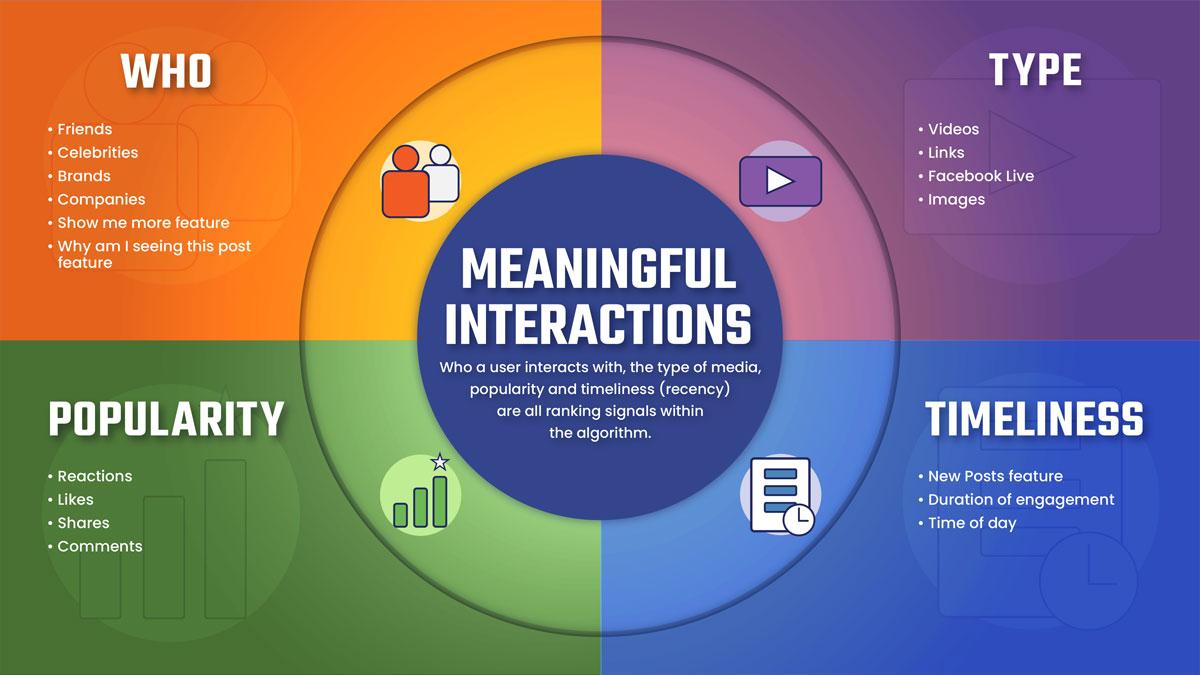
While the details differ, most social algorithms share a few common goals:
Engagement. Likes, comments, shares, dwell time, and conversations indicate how users interact with content.
Relevance. Algorithms personalize content based on user interests and behaviors to ensure the feed reflects what each user is most likely to engage with.
Relationship strength. Platforms prioritize content from closer connections, such as friends, family, colleagues, or frequently interacted-with accounts.
Freshness. Algorithms emphasize recent content, giving it higher visibility in the feed.
Quality and spam detection. Platforms detect clickbait headlines, overly sensational or misleading posts, and repetitive promotions. These types of content are typically downranked in the feed, resulting in fewer people seeing them.
LinkedIn
LinkedIn is a central component of many B2B marketing strategies. According to Hootsuite, this platform’s algorithm differs from the rest since it is designed to prevent content from going viral. LinkedIn’s algorithm analyzes how well your topic aligns with user interests, the strength of their connection to you, and, crucially, dwell time, or the duration for which people pause on your post.
Content type also matters. Text posts, document carousels, and employee shares consistently perform well, while links that take users off-platform tend to get penalized.
Example:Gong gained traction on LinkedIn using short, punchy text posts with compelling hooks and relatable storytelling. The software company also has a strong employee advocacy program that amplifies reach through internal shares.
To optimize LinkedIn’s algorithm, follow these best practices:
Focus on first impressions. Craft strong opening lines that increase dwell time.
Keep content on-platform. Prioritize native content to encourage users to stay engaged within LinkedIn.
Leverage your team. Develop an employee advocacy program with shareable templates to amplify your reach.
Educate your audience. Use document carousels to deliver valuable insights in an engaging, swipeable format.
X/Twitter
X (formally Twitter) remains a valuable channel for B2B brands aiming to lead real-time industry conversations and build thought leadership. On this platform, speed matters. The algorithm rewards posts that quickly earn likes, replies, and retweets. Conversations, including replies and quote tweets (sharing someone else’s post while adding a comment above it), help extend reach. Verified and paid accounts may also enjoy visibility boosts.
Example:HubSpot uses X threads to break complex ideas into multiple connected tweets, driving engagement while reinforcing authority.
To optimize X’s algorithm, consider these best practices:
Simplify complex ideas. Turn complex topics into accessible threads that encourage readers to follow along.
Encourage participation. Use polls to invite interaction and spark conversations with your audience.
Build meaningful connections. Reply strategically to industry influencers to increase visibility and credibility.
Stay consistently active. Maintain a steady posting cadence to remain visible in your followers’ feeds.
Protect your engagement momentum. Avoid long gaps between posts, as they may break momentum and reduce your visibility.
Facebook
Facebook is often viewed as a B2C channel, but it can be powerful for B2B, especially for brand awareness and nurturing niche communities. The algorithm prioritizes meaningful interactions, particularly authentic discussions in comments. Active Facebook groups can outperform standard page posts, while live and long-form video also do well. Keep in mind that Facebook aggressively limits the reach of groups it flags as spammy. Overly promotional posts, duplicate content, clickbait, and low-quality links can result in groups being demoted in feeds and searches.
To optimize Facebook’s algorithm, consider these best practices:
Prioritize meaningful interaction. Focus on encouraging authentic conversations rather than pushing overt promotions.
Maintain a healthy community. Establish and enforce clear group rules to minimize spam and maintain quality.
Provide real value. Share educational, thought-provoking, or otherwise relevant content tailored to the target audience.
Use engaging formats. Leverage Facebook Live and long-form video to build trust and deepen engagement.
Show you’re listening. Actively moderate discussions and respond to comments to demonstrate attentiveness.
Empower your audience. Invite members to contribute their own insights and questions to strengthen community bonds.
Continuously improve. Regularly review group performance and member feedback to refine the overall approach.
How to Stay Ahead of Algorithm Changes
Social platforms frequently update their ranking systems. For instance, LinkedIn’s latest algorithm tweak prioritizes relevant content over recency. Users now see older posts, sometimes two or three weeks old, if they match their activity patterns and strong personal connections.
Staying prepared means monitoring official updates, experimenting with new formats early, and regularly reviewing your analytics to detect shifts in what’s working. It’s also vital for marketing teams to be flexible in their content planning and adjust strategies quickly if data suggests a change in audience behavior or platform priorities. Ultimately, maintaining a consistent focus on delivering authentic value will help content remain resilient to future algorithm updates, regardless of how the rules evolve.
Stay Ahead…
Understanding the algorithm is more important for social media success than outperforming it. The platforms reward you with sustainable growth when you align with social media algorithms, emphasize value, adopt digital marketing trends this year, and foster genuine involvement. Adapting to the evolution of how social media algorithms work requires expertise, strategic foresight, and constant testing. Brands that fail to innovate fall behind.
Crack the Code. Win the Feed…
Social media algorithms are a moving target, but they follow a consistent logic. For B2B marketers who take the time to understand the rules, these systems can transform social channels from a source of frustration into a dependable growth engine.
When marketers tailor content strategies to each platform, they boost organic reach while controlling costs and delivering real results.

 By
By 














Comments