Why does my team need a marketing events calendar?
A marketing events calendar helps keep everyone on the same page when it comes to planning and executing a flawless event. In the past, a marketing events calendar may have been unwieldy, with limited visibility across teams and departments. Luckily, technology now allows calendars to be shared across teams, making a marketing events calendar even more valuable to the entire marketing department.
1. Overview of Event Marketing Campaign Details
Before diving into timelines and tasks, establish a solid foundation by documenting the essential details of your campaign. This preliminary section sets the stage for a focused and strategic approach. Include details such as:
- Target audience information. Who are you trying to reach? Be specific about demographics, interests, and behaviors.
- Event importance/priority. Why is this event significant, and how does it align with your organization’s goals?
- Event goals. Define what success looks like, such as attendance numbers, fundraising goals, or brand awareness.
- Analysis of previous campaigns. Reflect on past efforts to identify what worked well and what didn’t. For example, did a specific type of content drive registration better than others?
- Key performance indicators (KPIs). Decide how you’ll measure success, such as conversion rates, engagement levels, or social media reach.
Timelines. Outline key periods for promotion, such as pre-event, day-of, and post-event phases.
- Resources and staff time. Assess what’s available and allocate responsibilities accordingly.
- Focus channels and strategies. Determine which platforms (e.g., email, social media, paid ads) will play the biggest role in your campaign.
- Documenting these details helps provide clarity and direction for your team to ensure everyone is on the same page.
2. Pre-Event Promotion Timeline
A detailed pre-event timeline is crucial for building anticipation and driving early engagement. Start with a general outline of your promotional schedule, then layer in the specifics. Include these key elements:
- Ticket sales dates. Clearly mark when tickets go on sale and when early bird pricing or discounts end.
- Deadlines for marketing collateral. Note when posters, banners, and other branded materials need to be designed, approved, and printed. For example, if you’re sponsoring a charity golf tournament with a nonprofit partner, ensure deadlines are set for creating branded golf balls, hats, or signage.
Content posting schedule. Plan posts based on your funnel stage. Early in the campaign, focus on awareness and general event details. As the event draws closer, highlight key draws, such as special guests or exclusive activities, to drive registrations.
- Organize this information in a chronological task list. Assign owners to each task and outline when they need to be completed, then add them to the calendar. Keep content saturation in mind and avoid overwhelming your audience by spreading content across different days.
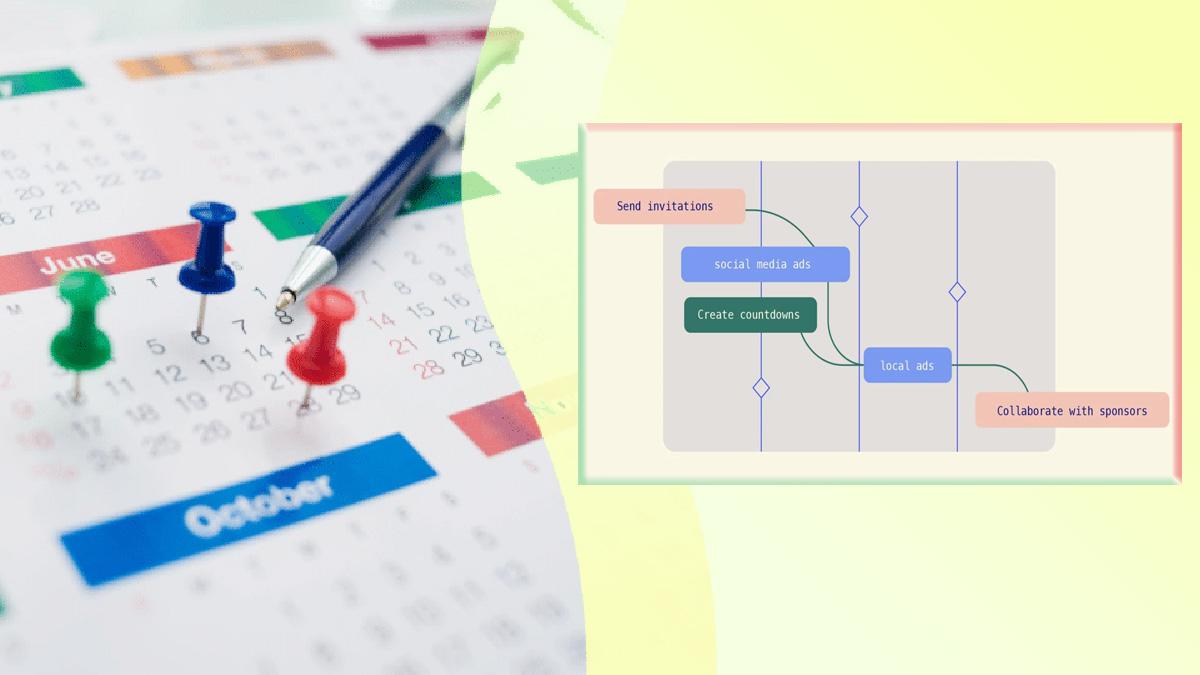
3. Content Creation Workflow
Content is the backbone of your marketing efforts, and having a clear workflow ensures nothing falls through the cracks. In addition to planning when content will go live, you should also understand when it should be completed and finalized so there’s sufficient time for review and revisions before it’s published and to adapt if anything urgent pops up.
Continuing with the golf event example, let’s say you want to add a hole-in-one contest but are still waiting to confirm a sponsor to cover the cost of the contest insurance. Such a contest is an attendance driver, so you’ll want to have the content ready to go as quickly as possible once all the details are confirmed.
Because a streamlined workflow allows your team to focus on creating high-quality content, you’ll want to plan for each of these aspects of your process:
- Deadlines for each round of approval that built sufficient time for multiple sign-offs (if necessary).
- Ensuring content that builds on previous pieces is scheduled in the correct order.
- Setting sufficient deadlines for external contributions, such as event co-hosts or sponsors.
- Adapting content to various formats across multiple channels.
4. Day-of Logistics and Follow-Up Schedule
While most marketing activity happens before the event, day-of and post-event efforts are critical for maintaining momentum, building long-term engagement, and encouraging future event participation. Identify how you’ll communicate with your audience on the day of the event and in the follow-up period.
Event Day Considerations
- Schedule posts to capture key moments, such as livestreaming a guest speaker or showcasing event highlights.
- Allocate time for gathering photos, videos, and testimonials during the event for post-event use.
- Schedule time for soundchecks and troubleshooting to ensure everything runs smoothly, if applicable.
Post-Event Considerations
- Set deadlines for all post-event activities so tasks are completed promptly.
- Send emails or social media posts thanking attendees, sponsors, and volunteers.
- Share event photos and videos to showcase the event’s success and encourage future participation.
- Distribute post-event surveys to gather feedback and insights.
- Set a timeline for analyzing KPIs and discussing what went well, what you could improve next time, and your overall strategy’s effectiveness.

 By
By 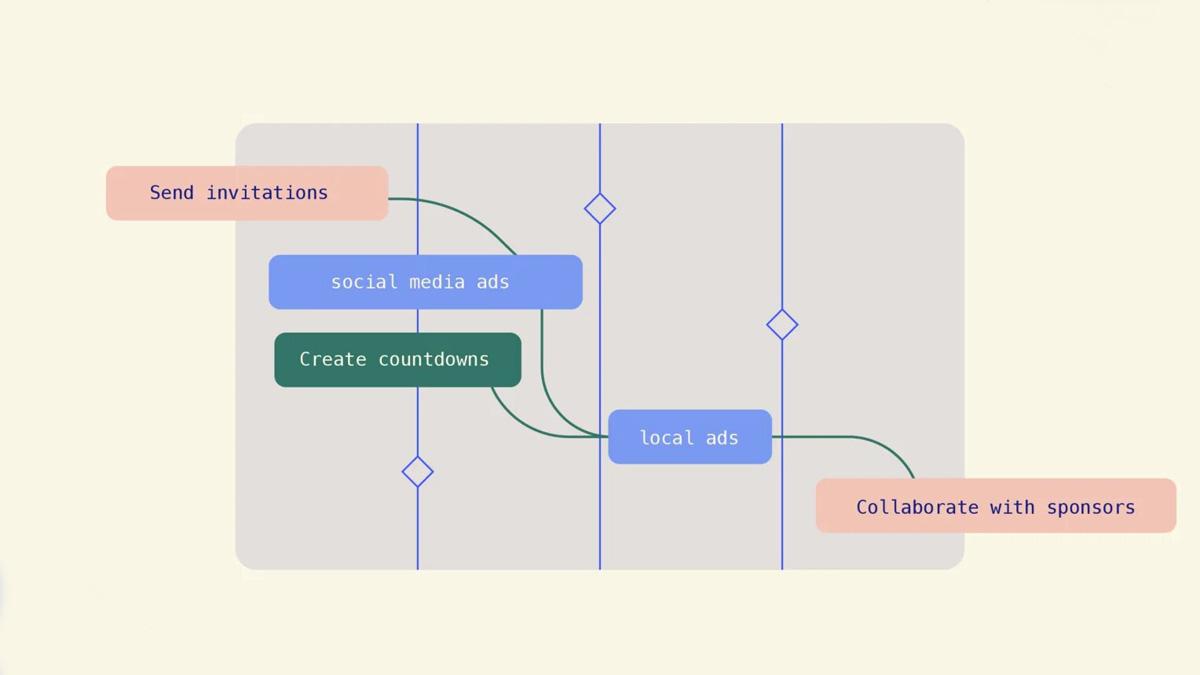










Comments