A Brand Bible is essential for any organization, large or small. Whether your business has been around for decades or you’re just starting, a Brand Bible can help you create and maintain a consistent identity that customers recognize and trust.
When properly developed and implemented, the Brand Bible will ensure that all teams are on the same page when it comes to brand identity, messaging, and visuals. It will also help you avoid costly mistakes that can damage your reputation or confuse customers.
What Does a Good Brand Bible Include?
A Brand Bible is an essential part of any branding exercise.

It outlines how to maintain brand consistency across different media and platforms, and also serves as a reference for everyone in the organization.
A Brand Bible should include all your brand’s essential elements, such as-
1. Logo
Your logo is a symbol of your company. After you have found the perfect design, it is key to keep its originality in all future uses. This includes where it appears and how it may be changed. Your brand bible should be a comprehensive guide that outlines how (and where) your logo can be used. This includes specifying placement, size, etc.
2. Fonts & Typography
Fonts and typography have a big impact on how your brand is perceived. It’s important to choose fonts that reflect your brand’s tone or voice, whether it’s professional or playful. A brand bible should list all fonts, sizes, weights, and settings that you’ll use to ensure your brand looks unified across all platforms.
3. Colors
Using the right colors for your brand is essential for a consistent look and feel, both online and offline. Your Brand Bible should include your primary and secondary colors, along with any other colors you plan to use. Make sure to specify their exact hex codes and RGB values for consistency.
4. Images
Images are an important part of your Brand Bible, as they represent the visual identity of your brand. This includes images used in social media posts, website imagery, product shots, etc. Defining colors, filters, and other visual elements will ensure that all images remain true to your brand.
5. Text & Tone
In addition to visuals, the text also plays an important role in communicating your brand identity. This includes the wording used in marketing materials such as ads and press releases, as well as on social media posts and website copy. Your Brand Bible should define a consistent tone of voice – conversational and informative – that will be used across all platforms.
6. Tagline
Your tagline is a brief, powerful statement expressing your brand’s essence in just a few words. It should reflect your values, mission, and target audience. Your Brand Bible should include a clear definition of this tagline.
7. Mission Statement
Your mission statement is a short and succinct sentence that outlines your purpose as an organization. It’s often the first thing customers read when they visit your website, so it’s important to get it right. Your Brand Bible should include the exact wording of your mission statement so that everyone is on the same page.
8. Values
Your Brand Bible should include a list of core values that guide everything you do, both internally and externally. This will help ensure that everyone in your organization stays true to these values when making decisions and interacting with customers.
9. Brand’s Voice
Your Brand Bible should include a clear definition of the tone and language you will use to represent your brand in all communications. This includes choosing the right words, sentence structure, and any other language conventions for each platform or medium.
10. Brand Personality
Creating a distinct Brand Personality is an important part of connecting with your audience. Your Brand Bible should include personality traits that your target customers will relate to, such as fun-loving, professional, or creative.
11. Social Media Guidelines
Your Brand Bible should include guidelines for all the social media platforms you use and how to portray your brand on them. This will ensure that all posts, comments, and interactions remain consistent with your Brand Bible.
12. Website style and guidelines
Your Brand Bible should include the style and layout of your website. This includes the colors, fonts, images, page structure, navigation options, etc. It’s important to make sure everything is in line with your Brand Bible so that customers recognize your brand no matter where they land on your website.
With these Brand Bible elements in place, you can ensure that your brand is represented in a unified, consistent way.
How to Create Your Brand Bible?
Creating a Brand Bible requires an in-depth understanding of your brand and its goals. The process should involve researching customer preferences, analyzing competitors, developing a positioning statement, and creating a Brand Identity.
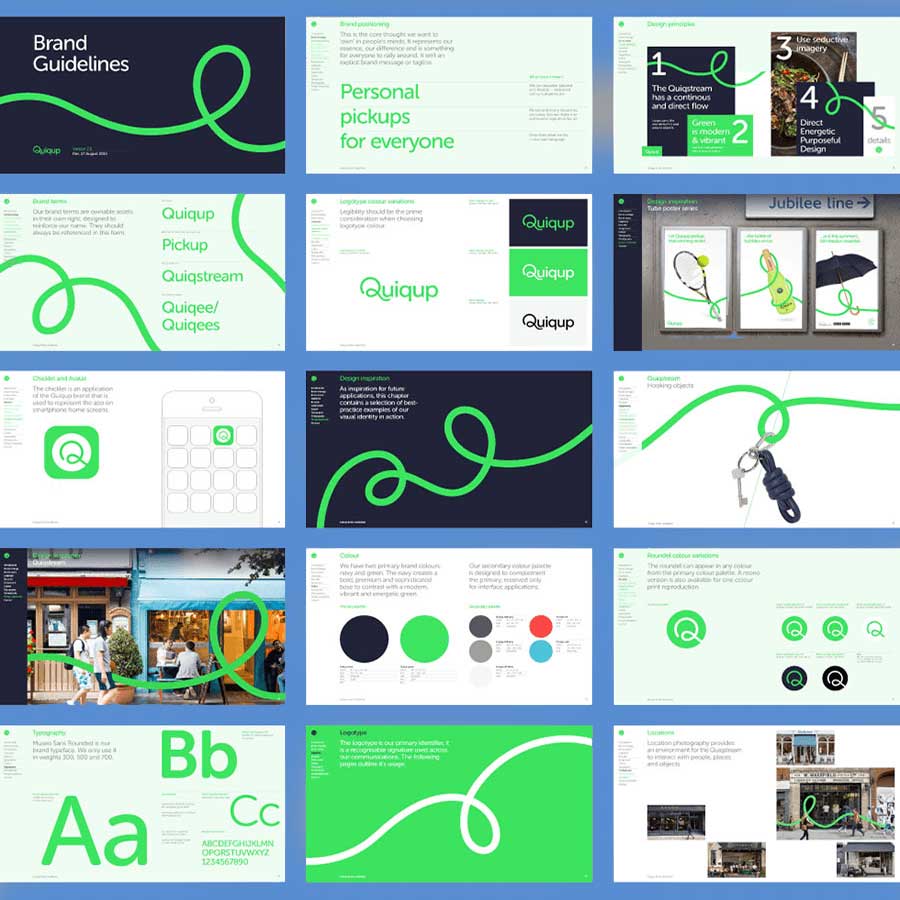
Once you have the basics in place, it is time to create your Brand Bible by following these steps:
- Gather all relevant branding materials: Start by collecting all existing brand materials such as logos, taglines, mission statements, and marketing collateral. This will serve as a foundation for your Brand Bible.
- Develop a Brand Identity: Create a Brand Identity that defines who your brand is, what it stands for, and the story behind it. Make sure to include all relevant details such as target audience, values, tone of voice, and mission statement.
- Design style guide: Develop a design style guide that outlines your Brand Bible’s look and feel. This should include colors, typefaces, fonts, images, graphic elements, page layouts, and other visual design principles.
- Outline Brand Guidelines: Outline Brand Guidelines such as how to use the logo, and tone of voice for different mediums (e.g. website, print, social media).
- Create Brand Bible documents: Create Brand Bible documents that include all Brand Bible elements such as Brand Identity, Brand Guidelines, and Design Style Guide. These should be tailored for different departments within the organization to ensure everyone follows the same guidelines.
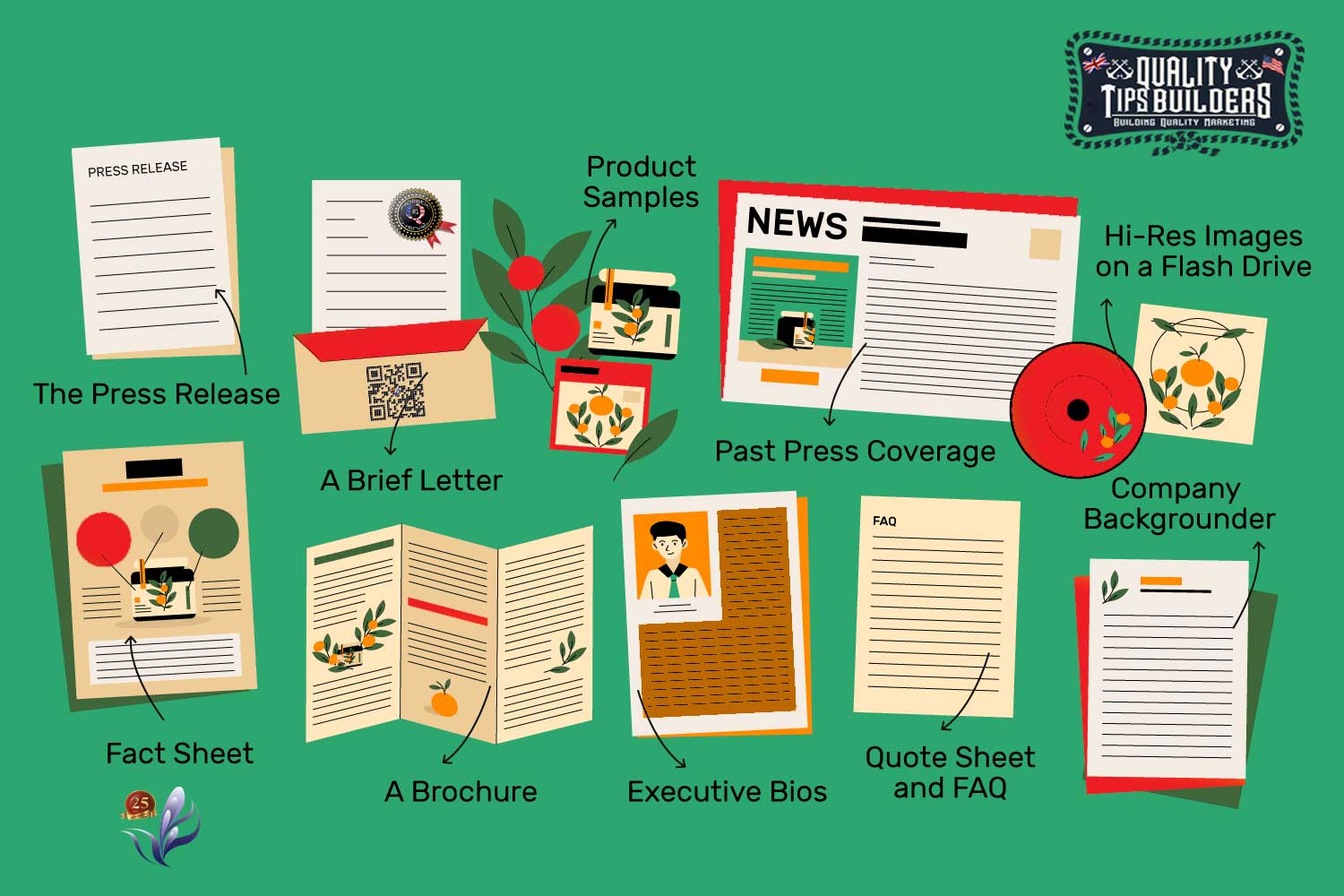
What is a Press Kit and How to create an efficient one?
Do’s and Don’ts of Brand Bible
Creating a Brand Bible is an important step in building and maintaining your brand. Here is some key do’s and don’ts to keep in mind:
Do
- Craft clear Brand Identity elements such as mission statement, core values, and personality traits.
- Consistently review the Brand Bible for any changes or updates.
- Use Brand Bible elements (e.g. colors, fonts) in all marketing materials and communications.
- Get feedback from internal stakeholders to ensure Brand Bible accuracy.
Don’t
-
-
- Create generic Brand Identity elements that are not unique to your brand.
- Ignore Brand Bible guidelines when creating marketing materials or communications.
- Neglect making Brand Bible updates when changes occur in the business.
- Overcomplicate Brand Bible elements that are difficult to understand.

 By
By 
















Comments