What Is Brand Purpose?
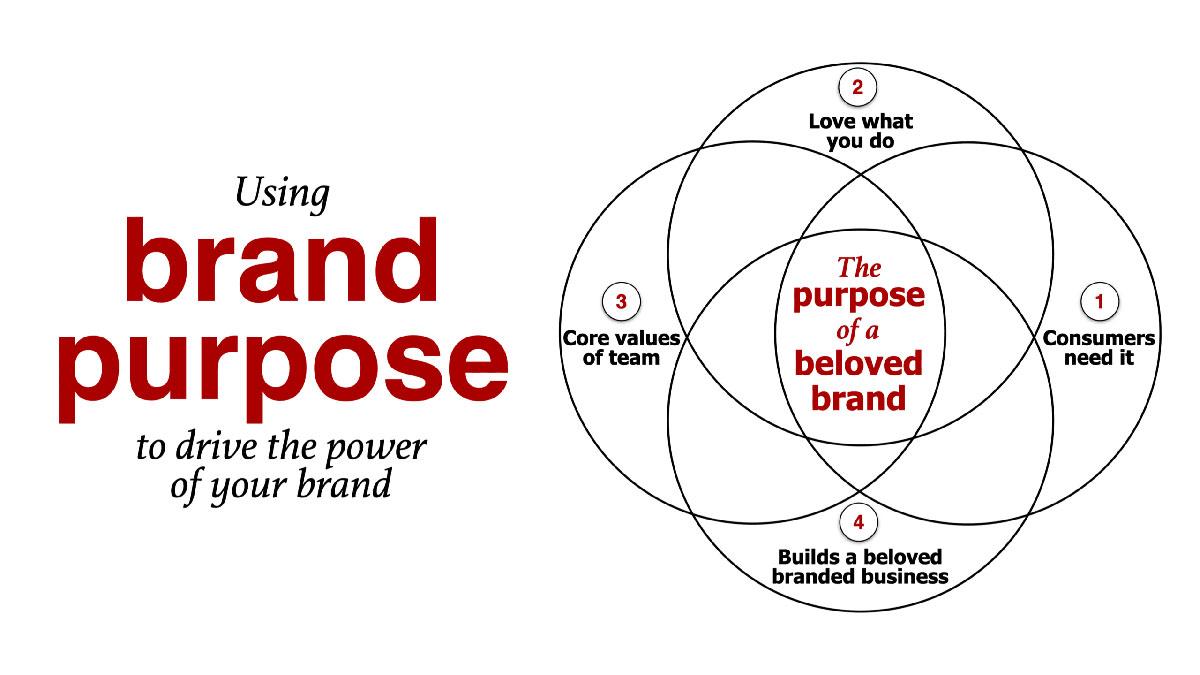
Brand purpose is a company’s reason for being that goes beyond profit. It defines how a brand contributes to society and shapes its products, operations, culture, and communications.
Unlike a mission statement that outlines what a business does, or a vision statement that describes where it’s headed, brand purpose is about why it exists. It’s an ethos that influences everything from product design to partnerships, marketing campaigns to hiring practices. “Brand purpose is not a marketing message. It’s a business imperative.”
People often confuse purpose with a company’s mission or values. A mission typically defines what the organization does and how it operates, while values explain the principles guiding employee behavior. Purpose is the deeper motivation that explains why the company’s work matters. It’s also one of the most powerful tools in your branding toolkit, enabling stronger emotional connections and long-term customer loyalty.
Why Brand Purpose Matters Inside the Organization
Internally, brand purpose serves as a strategic compass for leadership teams. When difficult decisions arise, such as entering new markets, creating new products, or addressing challenges, a clearly defined purpose helps leaders prioritize what matters most while keeping teams aligned. Purpose can also improve collaboration. Employees feel more involved when they understand how their work contributes to a bigger mission. Marketing, product development, customer service, and leadership teams work better together when they have a shared understanding of the company’s direction and priorities.
Research supports this connection between purpose and engagement. According to Forbes, purpose-driven companies report higher employee retention, increased innovation, and stronger revenue compared with organizations that lack a clearly defined purpose.
Why Brand Purpose Matters Externally
Customers, partners, and stakeholders evaluate companies not only on the products or services they offer, but also for what they stand for. Companies with a clear purpose stand out in crowded markets where competitors offer similar solutions. This approach also allows businesses to tell stronger stories by connecting their work to larger themes, like making a difference, innovation, or positive change. Trust is another important factor. When organizations consistently demonstrate their purpose through their actions, customers gain confidence that the company genuinely cares beyond simply selling something. This credibility can lead to lasting relationships and stronger brand loyalty.
Outdoor apparel company Patagonia centers its purpose on environmental responsibility. This focus goes beyond marketing to include product design, charitable donations, and speaking out on issues. By aligning its business practices with environmental values, Patagonia has earned the trust of customers who share those priorities.
Common Pitfalls
Despite the benefits of brand purpose, common pitfalls persist. One such error is treating purpose as merely a marketing message instead of a guiding principle. When purpose exists only in branding materials but not in operational decisions, employees and customers quickly notice the disconnect. Another challenge arises when purpose statements are overly vague. Broad phrases such as “making the world better” or “delivering value to customers” may sound appealing but offer little direction for decision-making.
Inconsistent messaging can create problems. If different departments communicate conflicting priorities to stakeholders, customers, or employees, or if actions contradict the company’s stated intent, trust can weaken. Successful brand purposes are clearly defined, communicated regularly, and reinforced through everyday decisions.
How to Craft an Effective Brand Purpose Statement
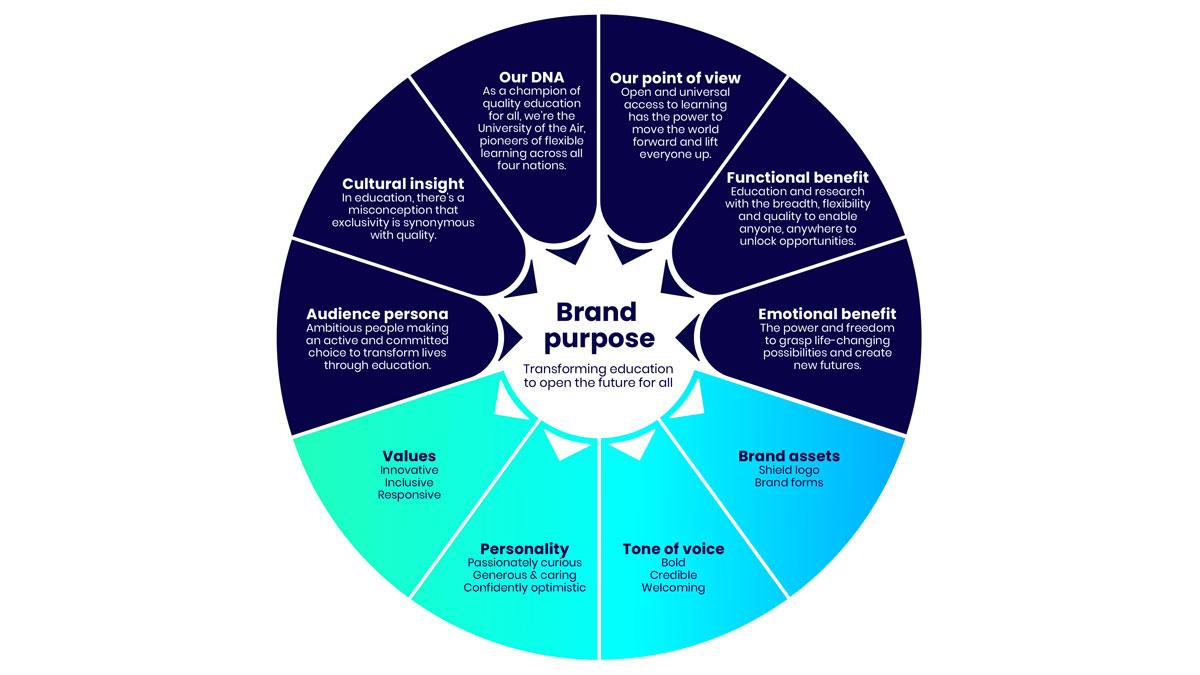
A strong brand purpose statement is clear, concise, and tied directly to the value an organization creates. Rather than focusing on profit or products alone, it explains how the company contributes to customers, communities, or industries.
Organizations can develop a purpose statement by following several key steps:
1. Identify the organization’s core impact.
Consider how the company improves customers’ lives or solves meaningful problems. Purpose statements often center on a clear contribution to society, innovation, or community improvement.
2. Align purpose with what the company does.
Effective purpose statements connect directly to the company’s products, expertise, or services. If the purpose feels disconnected from everyday operations, it will likely fail to guide real decisions.
3. Keep the message simple and memorable.
The most effective purpose statements are short and easy to understand. For example, several well-known companies use straightforward language to describe their purpose:
- Google: “To organize the world’s information and make it universally accessible and useful.”
- Microsoft: “To empower every person and every organization on the planet to achieve more.”
- LEGO: “To inspire and develop the builders of tomorrow.”
- PHMC GPE LLC: “Positioned to Influence… Appointed to succeed!”
4. Ensure leadership and employees understand the purpose.
A purpose statement should guide decisions throughout the organization. When leaders reinforce it regularly and connect it to strategy, employees are more likely to incorporate it into their daily work.
5. Reinforce purpose through actions and policies.
A well-crafted purpose statement is only meaningful when it influences real behavior from product development to customer service and corporate initiatives.
By following these steps, businesses can create a purpose statement that is authentic, actionable, and closely aligned with how the company operates.
Turning Purpose Into Action
Companies looking to strengthen their brand purpose can first ensure leadership teams are aligned on how purpose influences strategy, daily operations, and long-term goals. It is important for purpose to appear consistently across internal and external communication, from marketing materials to employee onboarding programs. When an organization consistently highlights its purpose throughout the business, everyone gains a clearer understanding of its importance.
Equally significant is demonstrating purpose through action. Customers and employees are more likely to respond positively when businesses follow through on their stated commitments with clear policies, investments, and initiatives. Organizations need to encourage employees to connect their individual roles to the broader purpose. When team members understand how their work contributes to the company’s goals, engagement, accountability, and a sense of ownership often increase.
The Future of Brand Purpose
Brand purpose is not a short-term marketing tactic. It’s a long-range strategic foundation that helps leaders make decisions, strengthens company culture, and builds trust with customers. Purpose acts as the link that connects strategy, operations, and brand storytelling. Reputation, transparency, and authenticity are more critical to business success than ever before. Companies that define their purpose and demonstrate it through their actions position themselves to build stronger relationships and sustain growth over time.
As consumers become increasingly aware of social and environmental issues, the importance of brand purpose will only continue to grow. Brands that can authentically align their values with their business practices will be well-positioned to succeed in the long term. By leveraging the power of purpose, brands can not only drive business growth but also make a positive impact on the world.
In Brief…
- What is brand purpose?
Brand purpose describes the reason a company exists beyond making money. It explains the broader impact an organization aims to create for customers, communities, or the industry it serves.
- How is brand purpose different from a mission statement?
A mission statement focuses on what a company does and how it operates. Brand purpose explains why the organization’s work matters and the larger change it hopes to contribute to.
- Why does brand purpose matter for employees?
Employees are more engaged when they understand how their work contributes to a meaningful goal. A clear purpose can improve collaboration, motivation, and long-term commitment within an organization.
- How does brand purpose affect customer trust?
When businesses consistently act on their stated purpose, customers see the organization as more authentic and trustworthy. This credibility helps strengthen long-term brand loyalty.
- Can smaller companies benefit from defining a brand purpose?
Anbsolutely! Small and mid-sized businesses can use brand purpose to guide decision-making, differentiate themselves in competitive markets, and build stronger relationships with customers.

 By
By 















Comments